King's College London | Guy's and St Thomas' NHS Foundation Trust | British Heart Foundation
The PLACARD Study
Helping improve diagnosis and care in pregnancy by studying how the baby’s heart and placenta develop together.


What is PLACARD?
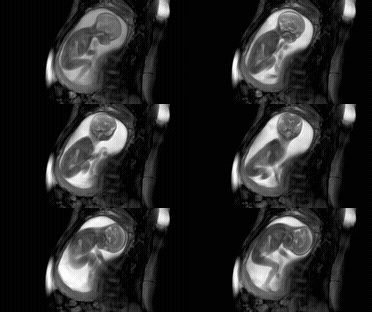
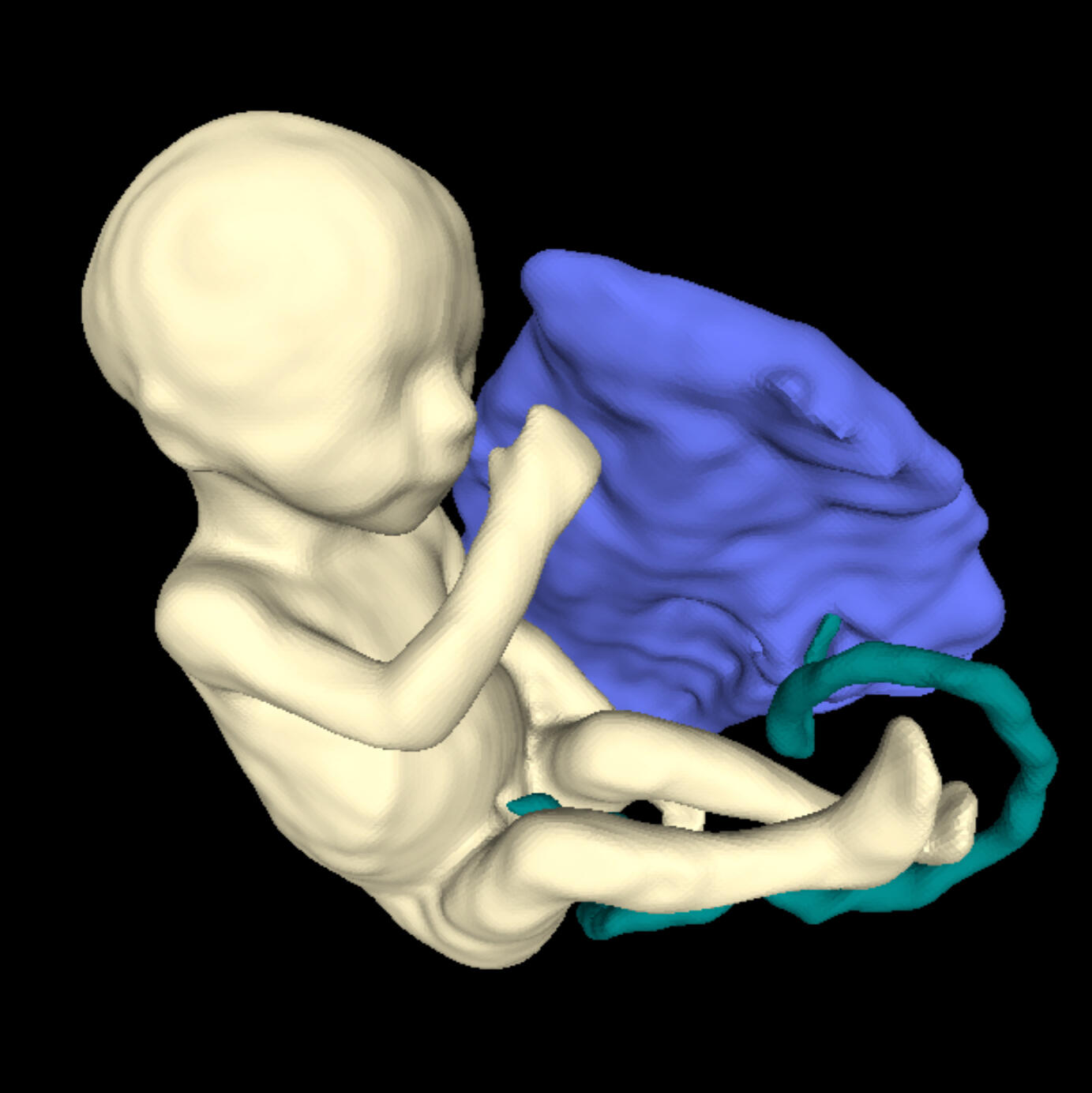
PLACARD (the Placenta-Cardiac Imaging Study) is a research study focused on understanding how the placenta and a baby’s heart and brain develop and function during pregnancy. It brings together expertise in fetal imaging to study these systems as part of a single, connected process.
What does the study involve?
Taking part may include one or two additional ultrasound and MRI scan visits during pregnancy, alongside routine care. All scans use established hospital equipment. Some families may also be offered optional follow-up assessments for their baby after birth.Video: what to expect for an MRI scan in pregnancy
What do we hope to learn?
By studying pregnancies in more detail, we aim to identify early patterns that explain how changes in the placenta or heart affect development. This knowledge may help improve diagnosis, counselling, and care for families in future pregnancies.
300+
Pregnancies included across a range of gestations and clinical backgrounds.
1-4
Additional research MRI and/or ultrasound scans per participant
5 years
Total length of the project
Study Updates
Information
Interested in participating? You can view our full Patient Information Sheet here.
Our team
The PLACARD study is led by a multidisciplinary team of clinicians, scientists, and imaging specialists from King’s College London and Evelina London Children’s Hospital at Guy’s and St Thomas’ NHS Foundation Trust, supported by the British Heart Foundation.

David F A Lloyd
Principal Investigator

Kuberan Pushparajah
Co-Investigator
Tomas Woodgate
Clinical Research Fellow

Sophie Duignan
Clinical Research Fellow

Laurence Frei
Clinical Research Fellow
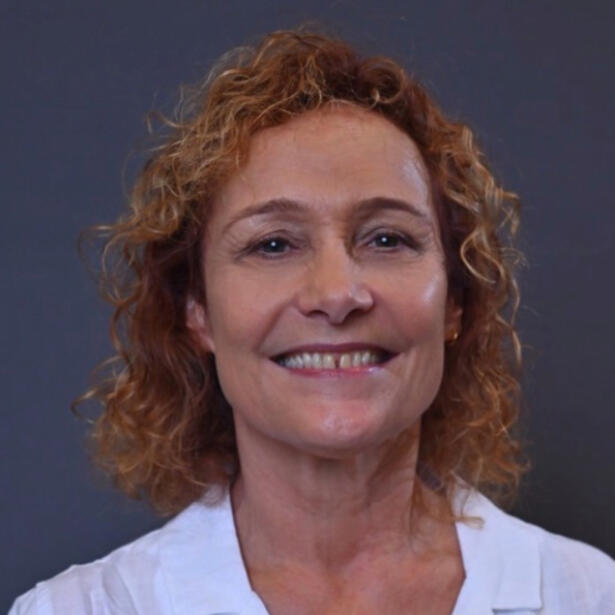
Wendy Norman
Lead Radiographer
Jessalyn Yenice
Research Co-ordinator
Jessica Cader
Research Co-ordinator
Ivy Wanjiku
Research Co-ordinator
Jo Bennett
Research Midwife
Luciana Gonzaga
Clinical Research Practitioner
Nadia Popescu
Clinical Research Practitioner
Get in touch
Please use this form to get in touch if you would like any more information about our research.
© King's College London. All rights reserved.